
herc jobs logo

JOB SEEKER LOGIN HERCONNECT (MEMBER LOGIN)

Menu
  • Job Seeker Resources
    • Search Jobs
    • Create an Account
    • Career Advice
    • Ebooks
    • Virtual Career Fairs
    • Webinars
    • Dual Careers Resources
    • Inclusive Career Hubs
  • Employer Resources
    • Become a Member
    • Products and Rates
    • Post a Job
    • Regional HERCs
    • Toolkits
  • About Us
Menu
  • Job Seeker Resources
    • Search Jobs
    • Create an Account
    • Career Advice
    • Ebooks
    • Virtual Career Fairs
    • Webinars
    • Dual Careers Resources
    • Inclusive Career Hubs
  • Employer Resources
    • Become a Member
    • Products and Rates
    • Post a Job
    • Regional HERCs
    • Toolkits
  • About Us


Archives for April 2024

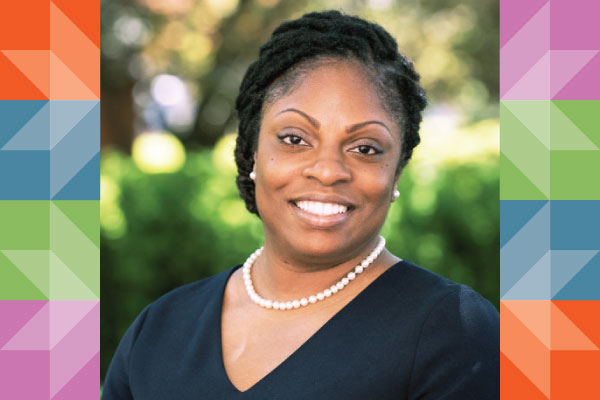
Why I Work in Higher Ed: Sabrina Small, Human Resources

April 11, 2024 by Marketing Director

Why I Work in Higher Ed: Sabrina Small, HR Director

The “Why I Work in Higher Ed” series features people working in higher education to get an inside perspective of what they do and what inspires them.

Sabrina Small is the Director of Human Resources at the School of Social Work at Columbia University in the City of New York. Born and raised in Brooklyn, New York, Sabrina graduated from SUNY at Stony Brook with a Bachelor of Arts in Sociology and earned a Master of Arts in Organization and Leadership from Teachers College at Columbia University. Sabrina currently lives in Queens, NY and enjoys spending time with family and friends, attending live music events, and trying new foods.

Can you give an overview of your career path that has led you to where you are today?

Shortly after completing my undergraduate degree, I started in passenger service for an airline at JFK Airport. Moving forward in the ranks over a 2-year period, I became the training coordinator for that station, equivalent to the headquarters for that airline. My role entailed organizing and facilitating open houses, setting up and conducting interviews and training sessions, onboarding, and processing hiring forms. So that was my introduction to Human Resources.

Working in the airline industry was exciting but unpredictable and, as I began to plan for my future, I sought opportunities that could provide more stability.

A close friend reached out to me about an opportunity at Columbia and it happened to be as an HR coordinator at SIPA, the School of International Public Affairs. This was my introduction to academia and I have enjoyed being a part of the community for over 20 years.

What initially sparked your interest in pursuing a career in higher education?

Previously, I had not thought about HR work in a higher education setting, but when I began working at SIPA, I realized that I enjoyed it. Since I was relatively new to the workforce, I didn’t have a lot of information or comparisons to make. I was just excited about the prospect of working in an academic setting because of the positive experiences that I had in my time as an undergraduate, and working at Columbia was a chance to prolong that experience. SUNY Stony Brook was an amazing 4 years! I met my husband there and many of the friendships that I formed during that time remain today and are now considered extensions of my family. I enjoy the energy of the academic environment and the opportunities to have an impact and make significant positive contributions, not just to the university, but to society at-large.

How would you describe the main responsibilities and challenges you face in your current role?

What I have observed over time about the role of human resources offices within an organization is that, traditionally, the work was heavily transactional, process-focused, and task-driven. The current function of HR roles has significantly evolved, and we’ve been called to serve a much broader purpose that considers the organization holistically, particularly since the COVID-19 pandemic. We’ve been required to do and balance more with respect to individual employee needs as policies and guidance change at levels that are not within our control. Keeping the HR toolbox current and ready, for application to a wide variety of situations to achieve the best outcomes, is the biggest challenge that I’ve recently experienced in this profession.

What I’ve learned over time is that there are varying definitions of human resources across industries. The purpose that HR serves at an organization is tied to the mission of that organization and the vision for leadership’s plan.

What are the most satisfying and fulfilling aspects of your job?

I remain motivated by any positive impact that I’m able to make, whether it be as simple as implementing a basic system or process that helps to streamline and increase productivity, or if it’s career guidance that I offer to someone that allows me to see their career progression. I am particularly grateful when I can offer this kind of help, because I understand and have appreciated the benefits of being on the receiving end of that guidance.

At this stage in my career, I seek opportunities that align why I’m working with what I’m doing. The societal contributions that the Columbia School of Social Work (CSSW) continues to make, will benefit generations to come.  This motivates me to keep pushing, even when the work can sometimes be challenging.

Is there any advice you received early in your career that has stuck with you and influenced your approach to work?

I think that what helps me the most is reminding myself to pace myself. There’s much to do and many needs to be met, but it’s not possible to meet them all at the same time. Frequent readjustment, recalibration, and reorganization of your work are necessary to avoid burnout.

HR offices are often small units that serve a large number of constituents within an organization. Currently, I am on a team of 4 that manages the HR needs of a school of approximately 500+ employees at any time. The work of an HR practitioner requires that we lead with compassion and understanding as we engage and interact with people in our respective employee populations.

Is there anything else you’d like to share about your career journey that we haven’t covered yet?

At every level you achieve in a career, there’s always something new to learn and these are growth opportunities. Remain open, particularly in higher ed settings, as there’s a lot of flexibility to be leveraged. I’ve seen people discover new skill sets and create a need around them, which can cause a new position or unit to emerge.

Lastly, one piece of advice I received that has stayed with me, is to trust myself and not be afraid to be me. Building trust as an HR Practitioner is of critical importance to one’s success in that role. Generally, I’ve found that people appreciate authenticity as it may help to make you feel more accessible and relatable to them, which allows for lines of communication to open and for meaningful connections to be formed.

Check out Top Articles on HERC Jobs.

Interested in higher ed job opportunities? Explore our job board with about 50,000 job postings and sign up for a free job seeker account.

About the Author: Marcia Silva is the director of marketing and communications at the Higher Education Recruitment Consortium. She strives to create engaging, research-informed content that empowers job seekers and employers committed to creating inclusive workplaces. She is passionate about using digital media and technology to encourage participation and strengthen communities.

Filed Under: Higher Education Career Exploration, Job Seeker Success Stories Tagged With: Marcia Silva

A Practical Approach: Answer 4 Questions to Give Clear Directions

April 4, 2024 by Marketing Director

Leader giving clear directions and  distributing materials to teammates

Good communication skills are valuable in all aspects of life. Communicating clear directions at work can greatly impact the workplace, affecting the success of projects and defining strong leadership.

A lack of good communication from a manager can negatively affect employee morale. In a recent LinkedIn poll, we asked what the most positive sign of a good manager was. The top response was “Gives Clear Direction” (47%), followed relatively distantly by “Ensures Manageable Workloads” (33%).

When giving instructions to a direct report or coworker, being as clear as possible about the who, what, when, where, why, and how can help both parties be efficient and effective. As you compose that email or prep for the meeting or phone call, consider answering these four questions they might have:

1. Why are you telling me this? Why does this matter?

Have you ever had a higher-up approach you to discuss something and after a few minutes, you still don’t know why you’re part of the conversation? Providing the context of your request from the very beginning can quickly and easily clear that confusion. Share any goals and objectives that you have and explain that you need their help to achieve them.

2. What do you want me to do?

    Now that the person knows you want something, lay out exactly what you need them to do and what your expectations are. What is the task you want this person to complete? Are there other people or resources that this person can leverage? Is there an example they should reference? Make sure they understand the task and ask if they need anything clarified.

    3. What work has already been done? What will happen after I complete the task?

      Understanding the process from start to finish can help a person better understand what their efforts contribute to, what resources/information are already available, and may even spark their ideas on how to improve the process. Knowing what will happen after they complete their task also establishes transparency and accountability.

      4. How urgent is this? Is there a deadline?

        Be mindful of other tasks and projects that this person may be juggling. Let them know if this is an urgent request requiring immediate attention or if the timing is flexible. When possible, provide a due date. This helps the person prioritize their workload as they try to meet your needs.

        Quick Tips for Emailing Clear Directions

        Given our reliance on emails at work, here are a couple of quick tips to improve your email communications when giving instructions or making a request:

        • Include Key Details in the Email Subject Title: Email inboxes can be inundated with emails, real and automated, all vying for attention. To make your message stand out and quickly convey your directions, include an action statement and deadline in the subject title. For example: “Review/Provide Feedback on Draft Article by 10/8”
        • Keep Emails Brief; If It’s Getting Too Long, Try Another Channel: No one enjoys reading long emails, and nobody likes writing them either. If you find yourself crafting a message and feeling it’s taking too much time or becoming uncomfortably verbose, consider making a phone call or scheduling a meeting instead.

        Always conclude by letting them know they should reach out if they have questions or need support. Additionally, if it’s a complex task with multiple sub-tasks, consider scheduling check-ins throughout the process to monitor progress and address any concerns.

        Check out more Top Articles on HERC Jobs.

        About the Author: Marcia Silva is the director of marketing and communications at the Higher Education Recruitment Consortium. She strives to create engaging, research-informed content that empowers job seekers and employers committed to creating inclusive workplaces. She is passionate about using digital media and technology to encourage participation and strengthen communities.

        Filed Under: Leadership, Personal Branding Tagged With: Marcia Silva

        Find it Fast

        Join HERC
        HERConnect (Member Login)
        • Partners
        • About Us
        • Newsroom
        • Contact Us

        Regional HERCS

        • Carolinas
        • Greater Chicago Midwest
        • Metro New York & Southern Connecticut
        • Michigan – Ohio – Western Pennsylvania – West Virginia
        • Mid -Atlantic
        • Midwest
        • Mountain West
        • New England
        • New Jersey – Eastern Pennsylvania – Delaware
        • Northern California
        • Northwest
        • Southeast
        • South Midwest
        • Southern California
        • Upstate New York
        © 2000 – 2025 The Higher Education Recruitment Consortium is a project of the Tides Center, a 501(c)3 non-profit organization.
        Tides’ State Nonprofit Disclosures
        Sitemap | Terms | Privacy Policy
        Powered by WSI Digital
        Cookie settingsAccept Cookies
        We use cookies so that we can remember you and understand how you use our site. If you do not agree with our use of cookies, please change the current settings found in our Cookie Policy . Otherwise, you agree to the use of the cookies as they are currently set....
        Privacy & Cookies Policy

        Privacy Overview

        This website uses cookies to improve your experience while you navigate through the website. Out of these cookies, the cookies that are categorized as necessary are stored on your browser as they are essential for the working of basic functionalities of the website. We also use third-party cookies that help us analyze and understand how you use this website. These cookies will be stored in your browser only with your consent. You also have the option to opt-out of these cookies. But opting out of some of these cookies may have an effect on your browsing experience.
        Necessary
        Always Enabled
        Necessary cookies are absolutely essential for the website to function properly. This category only includes cookies that ensures basic functionalities and security features of the website. These cookies do not store any personal information.
        Non-necessary
        Any cookies that may not be particularly necessary for the website to function and is used specifically to collect user personal data via analytics, ads, other embedded contents are termed as non-necessary cookies. It is mandatory to procure user consent prior to running these cookies on your website.
        SAVE & ACCEPT